
Why Does RSV Matter More in Some People Than Others?
Medically reviewed by our MD Laboratory Director (a role required by CLIA; the director's name is on file in the CMS CLIA database, #45D2048957, and can be verified independently) · Editorial policy
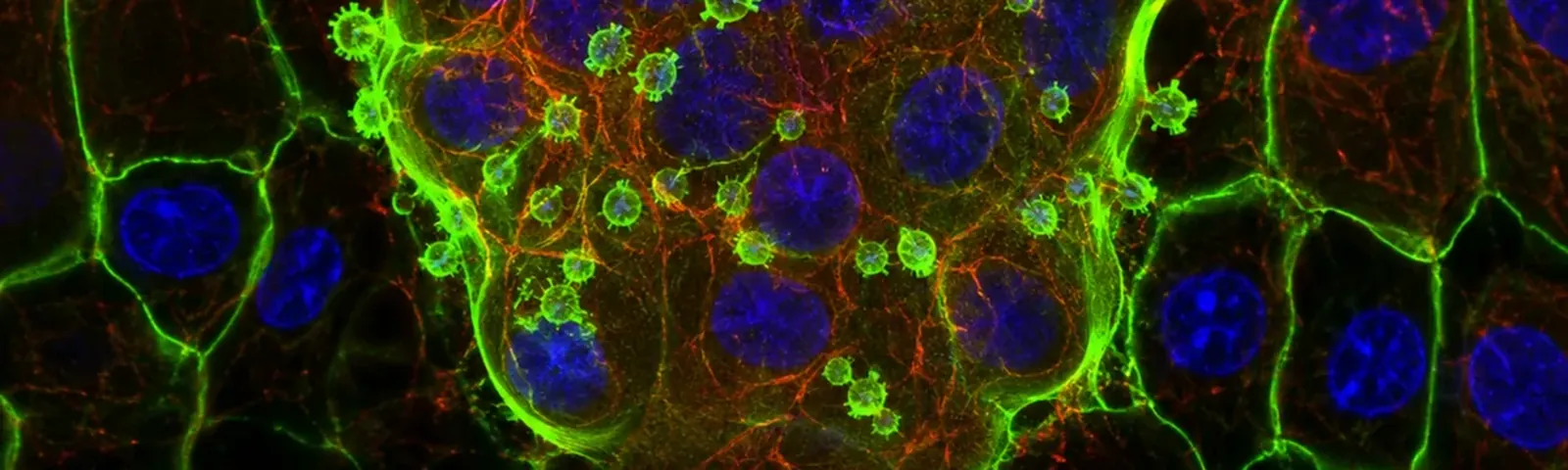
RSV is a cold in a healthy adult and a hospitalization risk in an infant or an 80-year-old.CLIA #45D2048957 · CAP #8722734 · Same-day results · Walk-ins welcome
Because the same virus produces completely different disease depending on who catches it. In healthy adults RSV looks like a cold. In infants it is a leading cause of bronchiolitis and hospitalization, and in older adults it causes serious lower respiratory illness — CDC identifies both groups as high-risk. Knowing that the adult with a mild cough has RSV is what protects the baby in the house.
Not sure what you need? Text us and we will set it up.
📱 Text (713) 832-8892 📞 Call (713) 266-0808
📱 Text (713) 832-8892 📞 Call (713) 266-0808
3707 Westcenter Dr Suite 100, Houston, TX 77042 · Walk-ins welcome
Who is at risk
| Group | Risk |
|---|---|
| Infants, especially under 6 months | Bronchiolitis; leading cause of infant hospitalization (CDC) |
| Premature infants, congenital heart or lung disease | Substantially elevated risk |
| Adults 60+, especially with chronic conditions | Serious lower respiratory illness |
| Healthy adults | Usually a cold — and a transmission risk to the two groups above |
Go to an emergency department, not a lab, if you have: shortness of breath at rest, chest pain or pressure, blue lips, confusion, inability to stay awake, or a child breathing fast, grunting, or pulling in at the ribs.
There is no antiviral for routine RSV in adults. The value of the diagnosis is behavioral: it tells you to stay away from the newborn and the grandparent.
Prevention has changed
RSV immunization options now exist for older adults, for pregnancy, and monoclonal antibody protection for infants. That is a conversation for ythe partner-network physician or pediatrician — CDC maintains the current recommendations.
We name drugs, never doses. Treatment statements follow CDC and IDSA guidance; dose and duration are a physician's decision.
Why same-day matters in respiratory illness. Influenza antivirals work best within 48 hours of onset. Swab by 1:00 PM → result at 4:30 PM → licensed physician (partner network) 4:30–6:00 PM. Two stops, both the same day.
FAQ
- Is there a treatment?
- Supportive care for most patients. Infants with bronchiolitis may need hospital-level support — that is an emergency judgment, not a lab one.
- Why test if there is no antiviral?
- Because it distinguishes RSV from flu and COVID, which do have antivirals — and because it changes who you should be around.
- My baby is breathing fast.
- Emergency care now. Do not wait for a test.
- How fast is the result?
- Same day at 4:30 PM; one swab covers flu, COVID and RSV.
Not sure what you need? Text us and we will set it up.
📱 Text (713) 832-8892 📞 Call (713) 266-0808
📱 Text (713) 832-8892 📞 Call (713) 266-0808
3707 Westcenter Dr Suite 100, Houston, TX 77042 · Walk-ins welcome
References
- CDC — RSV
- CDC — Influenza Diagnostic Testing
- Our CLIA #45D2048957 and CAP #8722734 credentials — verify them yourself
Reach us — privately
No name needed to ask a question. Text is the fastest way to reach us.
Or send your details below — we will reply by text or email during open hours.