
UTI Testing in Houston — With the Answer Your Culture Cannot Give You
We run a molecular PCR panel instead. It identifies the organism directly from its nucleic acid, and it detects antibiotic-resistance genes at the same time. So ythe partner-network physician learns two things on the first visit: what this is, and what it is likely to resist — instead of guessing, waiting three days, and guessing again.
Sample by 1:00 PM → results at 4:30 PM → physician 4:30–6:00 PM. Same day. Walk in.
📱 Text (713) 832-8892 📞 Call (713) 266-0808
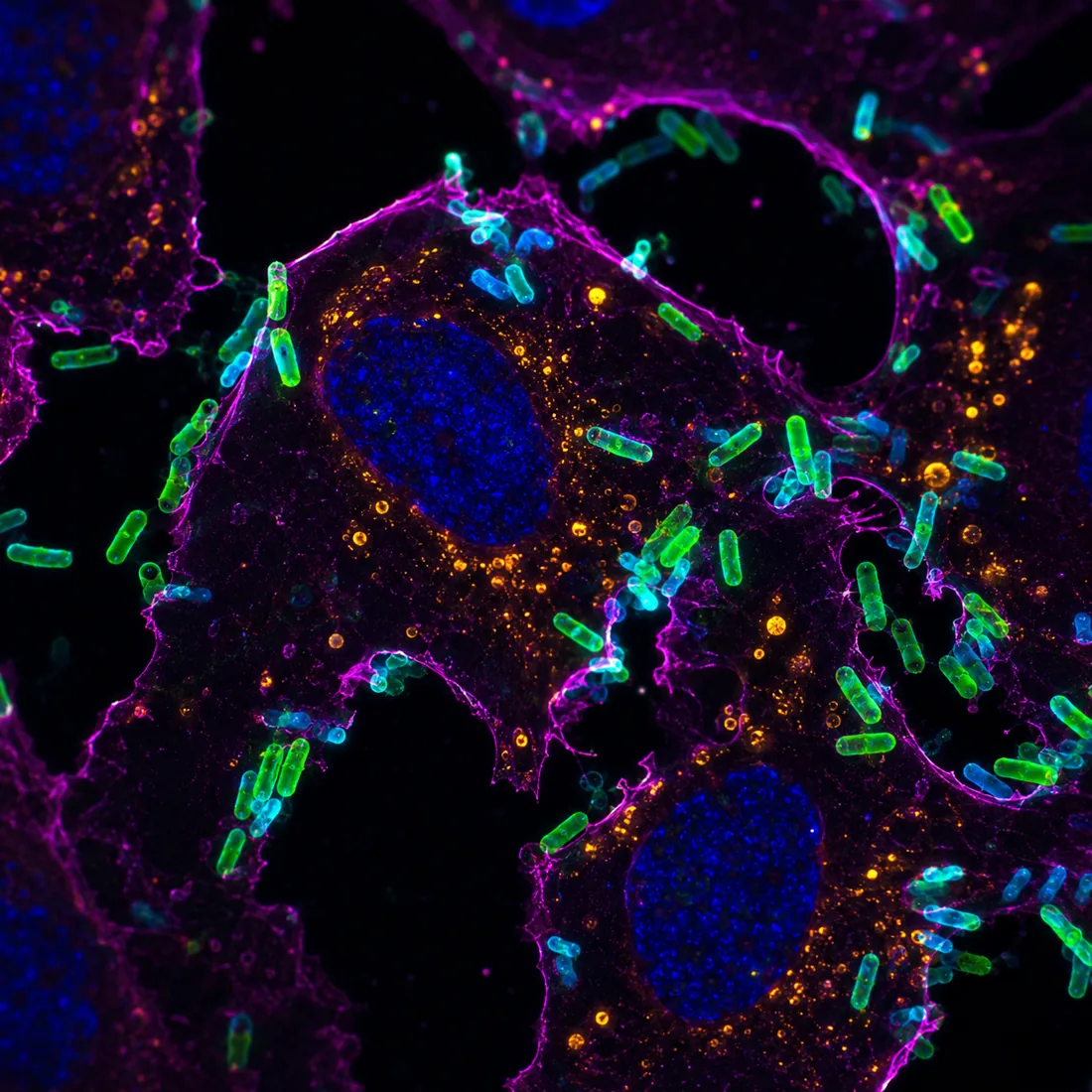
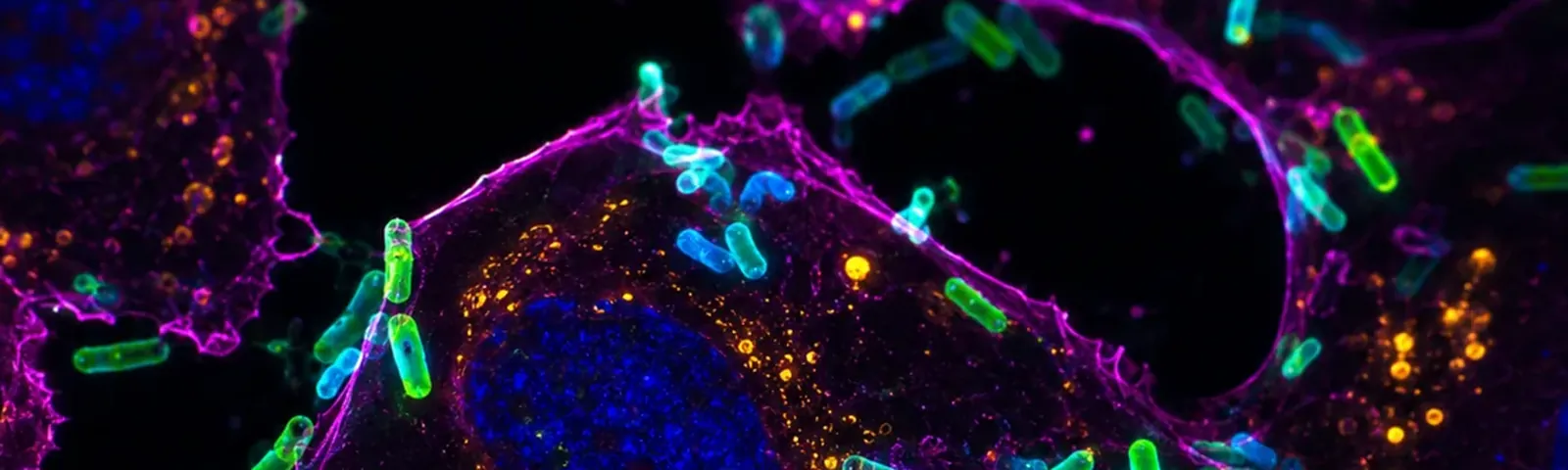
* Illustrative fluorescence rendering based on the biology and the assay chemistry — not a photomicrograph of a patient sample, and not an instrument output.
Culture vs. molecular PCR
| Urine culture | Molecular PCR (ours) | |
|---|---|---|
| Time to answer | Typically 24–72 hours; susceptibility takes longer still | Same day — sample by 1 PM, result at 4:30 PM (STAT: 2 hours) |
| Fastidious organisms | Frequently missed | Detected |
| Polymicrobial infection | Often masked by the dominant grower | Detected |
| Resistance information | Requires separate susceptibility testing | Resistance genes reported with the organism |
| "Culture-negative" symptoms | The usual dead end | Far more likely to find the cause |
A negative culture with real symptoms is not proof there is no infection. It is often just proof that culture could not grow what is there. Culture-negative UTI, explained →
One honest caveat about resistance genes
If your UTIs keep coming back
AUA defines recurrent UTI as 2 or more episodes in 6 months, or 3 or more in 12 months. If that is you, the question is no longer "which antibiotic" — it is why the same thing keeps happening: reinfection, a persistent reservoir, a stone, retained urine, or a resistant organism that empiric therapy never covered. Molecular testing with resistance genes is how you stop guessing. Recurrent UTI →
Our recommendation: add resistance genes to every UTI test
Because the panel reports antibiotic-resistance genes alongside the organism at no extra visit, the physician has a head start on the treatment plan the same day — instead of prescribing blindly and hoping it works, or sending you back for a separate resistance test that costs more days. A resistance gene is a fast risk signal, not a full susceptibility result; treatment is decided by a licensed physician in our partner network.
FAQ
- Why was my urine culture negative?
- Culture can miss fastidious organisms and polymicrobial infections, and prior antibiotics can suppress growth. A molecular panel looks for nucleic acid directly and covers more organisms.
- How fast are results?
- Sample by 1:00 PM, results at 4:30 PM the same day. STAT results in 2 hours if collected by 3:00 PM.
- Do you test for antibiotic resistance?
- Yes — the panel reports resistance genes alongside the organism, so ythe partner-network physician does not have to wait days for susceptibility results.
- Is a resistance gene the same as a susceptibility test?
- No, and we will not pretend otherwise. Genes are a fast risk signal; culture and susceptibility directly measure drug response. Ythe partner-network physician uses both.
- Can I be treated the same day?
- Yes. A licensed physician sees you between 4:30 and 6:00 PM the same day.
- What counts as recurrent UTI?
- Per AUA: 2 or more symptomatic episodes in 6 months, or 3 or more in 12 months.
📱 Text (713) 832-8892 📞 Call (713) 266-0808
References
- IDSA — Complicated UTI (2025): idsociety.org/…/complicated-urinary-tract-infections
- IDSA — Uncomplicated Cystitis & Pyelonephritis: idsociety.org/…/uncomplicated-cystitis
- AUA — Recurrent uncomplicated UTI in Women: auanet.org/…/recurrent-uti
- CDC — Antimicrobial Resistance: cdc.gov/antimicrobial-resistance
- CMS — CLIA: cms.gov/…/clia
Reach us — privately
No name needed to ask a question. Text is the fastest way to reach us.
Or send your details below — we will reply by text or email during open hours.